MIF’s main objective is fundraising. We specialized in the process of collecting money, donations, or financial support from individuals, businesses, government bodies, or other organizations to fund a particular cause, project, or organization. We have a clear mission for sustainable development and bridging the gaps in the society. We receive grants and set up donations campaigns and receive individual donations, corporate sponsorship, crowdfunding, online campaign to support any cause in development through one-time donations or recurring donations.
Read MoreMIF makes financial contributions to support charitable causes or public-benefit initiatives. These donations typically come from endowments or funds that the foundation manages, and they are distributed to individuals, groups, or organizations in need of financial support for projects or activities that align with the foundation's mission.
Read MoreMIF focuses on the process of actively working with and involving individuals, groups, or organizations in a shared effort to achieve common goals. It’s about creating meaningful connections and partnerships within communities to address issues, solve problems, or improve overall well-being. Some of the aspects are participations, collaboration, communication, capacity building and sustainability
Read MoreMIF serves specific groups, communities or causes that aligns with our missions. We work with other foundations or NGOSs that share the same vision as MFI. We also work with local government to pass information to the population and engage the communities in the Unites States and around the works. It is important to note that we also serve:
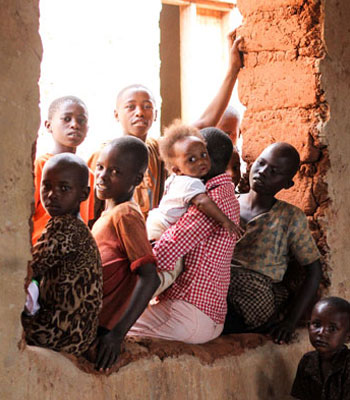
This can include impoverished communities, refugees, children, women, and minorities who lack access to basic needs like food, shelter, education, or healthcare.

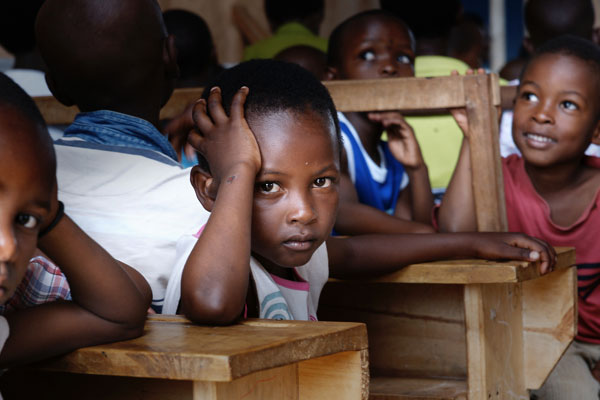
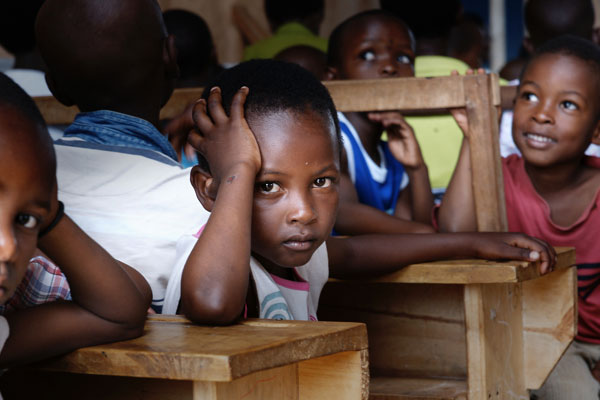
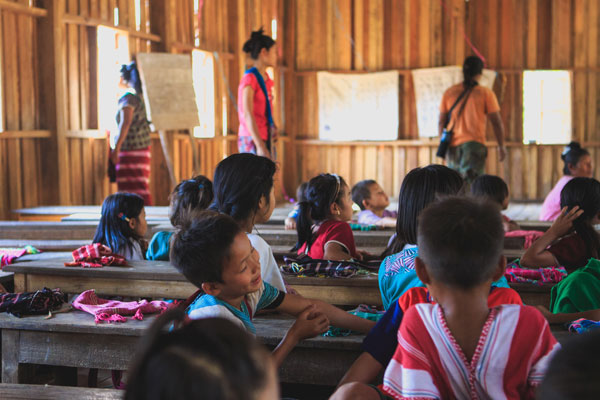
MIF serves children and adults by providing educational opportunities, literacy programs, or vocational training, especially in underserved areas.

We work with NGOs in the health sector to serve people who lack access to medical care, including those in rural or underdeveloped regions, or during emergencies like pandemics or natural disasters.
Sustainable Development, Our Battle!